Maxillofacial Surgery
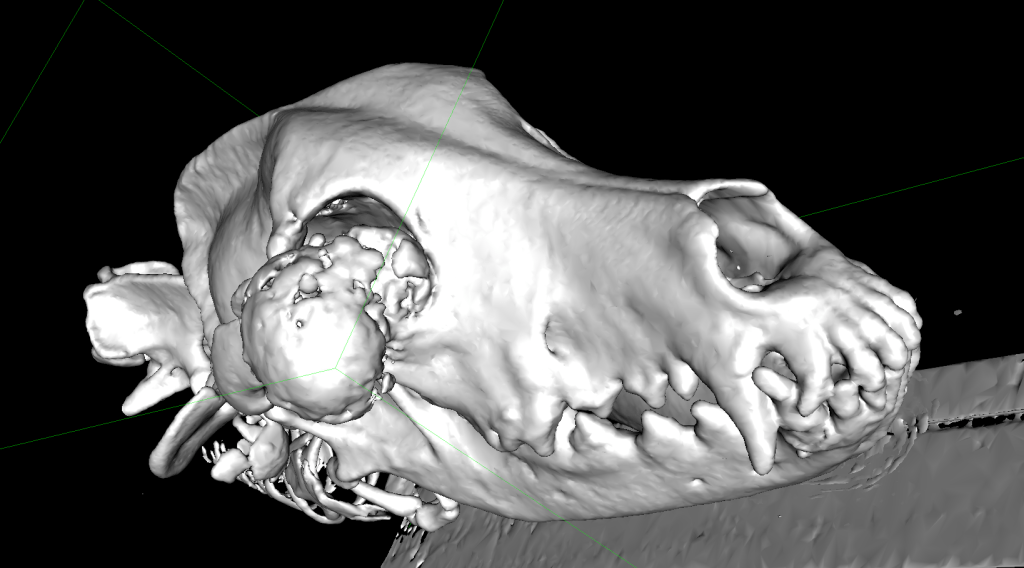
Maxillofacial conditions can be complex; affecting a patient’s ability to eat, breathe and maintain a good quality of life. At ParaVet Care, we provide surgical support for selected conditions affecting the mouth, jaw and surrounding structures, working closely with your veterinary team to develop an appropriate diagnostic and treatment plan for each patient.
From oral and maxillofacial tumours to traumatic injuries and jaw reconstruction, our aim is to achieve effective management while preserving as much normal function as possible. Every case is individually assessed, with careful surgical planning and clear communication throughout the patient’s care.
Maxillectomy is a surgical procedure used to manage selected conditions affecting the upper jaw, most commonly oral tumours, but also severe trauma or other destructive lesions. Depending on the location and extent of the disease, surgery may involve removal of a small section of the maxilla or a more extensive partial maxillectomy. Careful planning is important to achieve appropriate surgical margins while preserving normal function wherever possible. Dogs and cats generally adapt very well following maxillectomy, with most patients able to eat, drink and maintain a good quality of life following recovery.
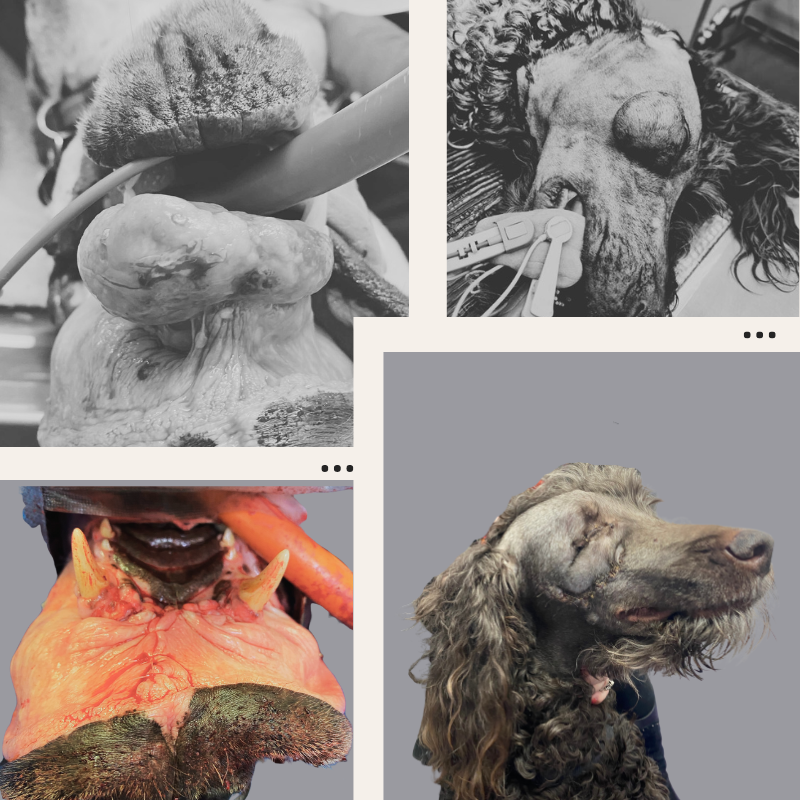
A mandibulectomy is a surgical procedure used to manage selected conditions affecting the mandible, including oral tumours, severe trauma and non-functional or diseased sections of bone. Depending on the location and extent of the disease, procedures may range from partial mandibulectomy to more extensive segmental resections. Careful surgical planning is essential to achieve appropriate margins while preserving as much normal function as possible. Most dogs and cats adapt remarkably well following mandibular surgery, with many returning to a good quality of life.
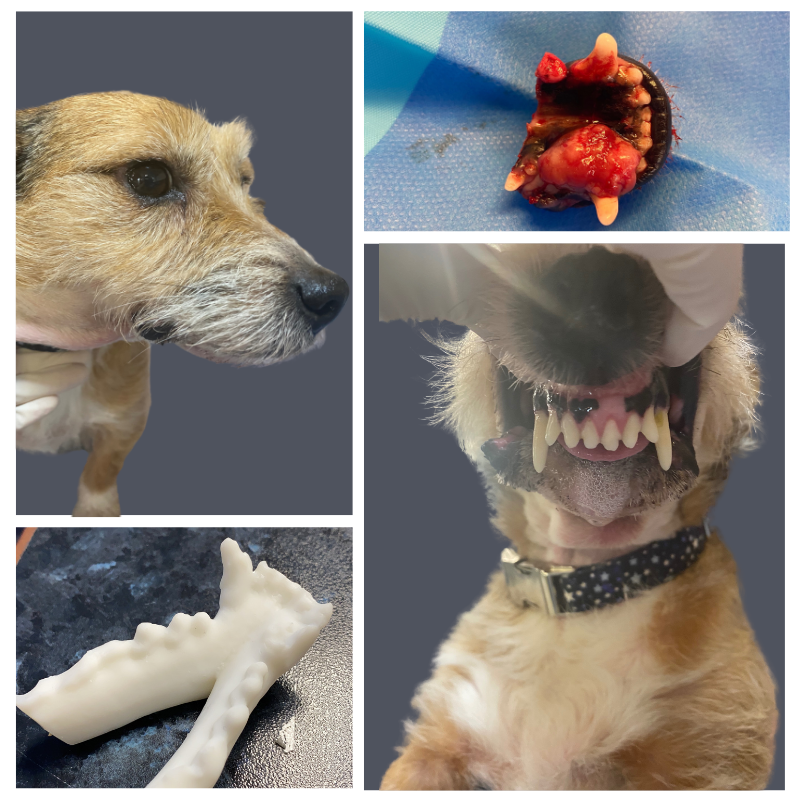
All maxillofacial procedures will be discussed in accordance with patient and practice needs.
Advanced Surgical support for Veterinary Practices in Durham, Stockton on Tees, Northallerton, and Darlington.
Contact us to discuss your cases.